Victory Glass Wireless wallbox system is a revolutionary new system that will wake up all those dormant wallboxes in your collection. No longer are they just show pieces, now you can hook up multiple wallboxes of different models to a formally not supported jukebox. There are many options and components available, we wanted to layout how the system should be setup and what your options are.
To see it in action check out this video:
What is the system; The wireless system has a few major advantages. First off, no wires between your jukebox and wallboxes. But Wait there’s more, this system will translate between makes and models, if you have one jukebox and 20 wallboxes, they all can talk to that one. You can have a 1946 Wurlitzer 3020 sending selections to a 1962 Seeburg DS160. You can have independant jukeboxes too, simply pick a different channel to have half your wallboxes talk to a seeburg and the other half talk to a AMI. Basically each jukebox you want to receive a signal needs a receiver, only one. Every wallbox would need a transmitter, and power supply. If you have two wallboxes of the same type you can have them connected to one transmitter.
Type, what is this Type talk; Wallboxes traditionally talked to a jukebox via a series of pulses and spaces. this translates over a minimal amount of wires to a stepper receiver in the jukebox that would step up on the pulses and save the selection in the jukebox memory as the next selection. This pulse “language” can be different between manufacturers and even eras in the same manufacturer. Example, a Seeburg 3W1 and 3WA are not compatible or the same Type. But Seeburg 3WA and Wurlitzer 5220 DO talk the same language and are the same Type.
To get started you need the following. A ready jukebox, a receiver for that jukebox. A ready wallbox, a transmitter for that wallbox and ac power supply (optional available with transmitter).
Getting jukebox ready; You should start by having a supported jukebox model with a working stepper. Or have victory glass wireless ready equipment already installed. For example, early Seeburgs all came factory with steppers, but sometimes they have never been used, or it has been a long time. A good oiling and cleaning of the contacts should be done prior to hookup. Once you verified the stepper is present, check for proper voltage. Many times the fuse is missing, and sometimes it is a special Fustat or N series fuse. On Seeburg if you don’t have a solid state amp or pinbank you will also need the stepper 2050 tube present.
Getting your wallbox ready; Wallboxes often until now have just been used as display peices, lit up. The mechanisms have not been used in years. That means just like the steppers the contacts needs to be cleaned. wallboxes often have a “pulse generator” section. Thsi section consists of contacts “wiping” across contacts or rivets. If this is dirty it will not send the selection right to the transmitter.
Wallbox Lights; What’s the fun of a working wallbox if it doesn’t light up. Most wallboxes are designed for the small lights to be powered by the 24vac that also operates the wallbox. Some of the early ones had a seperate 6v supply to light the bulbs. the common light bulb found is a #47 or #44, these are 6.3 max bulbs, when 4 are put in series that adds up to over 24 volts. But if they are in parallel where all the tips are tied to gether and all the cases are tied together then 6.3 volt is the max. If you supply these with 24 volt they will be very bright for a very short amount of time. Victory glass is stocking 1820 bulbs that can handle the 24 volts avalible with this system and also have a simular brightness without being too hot.
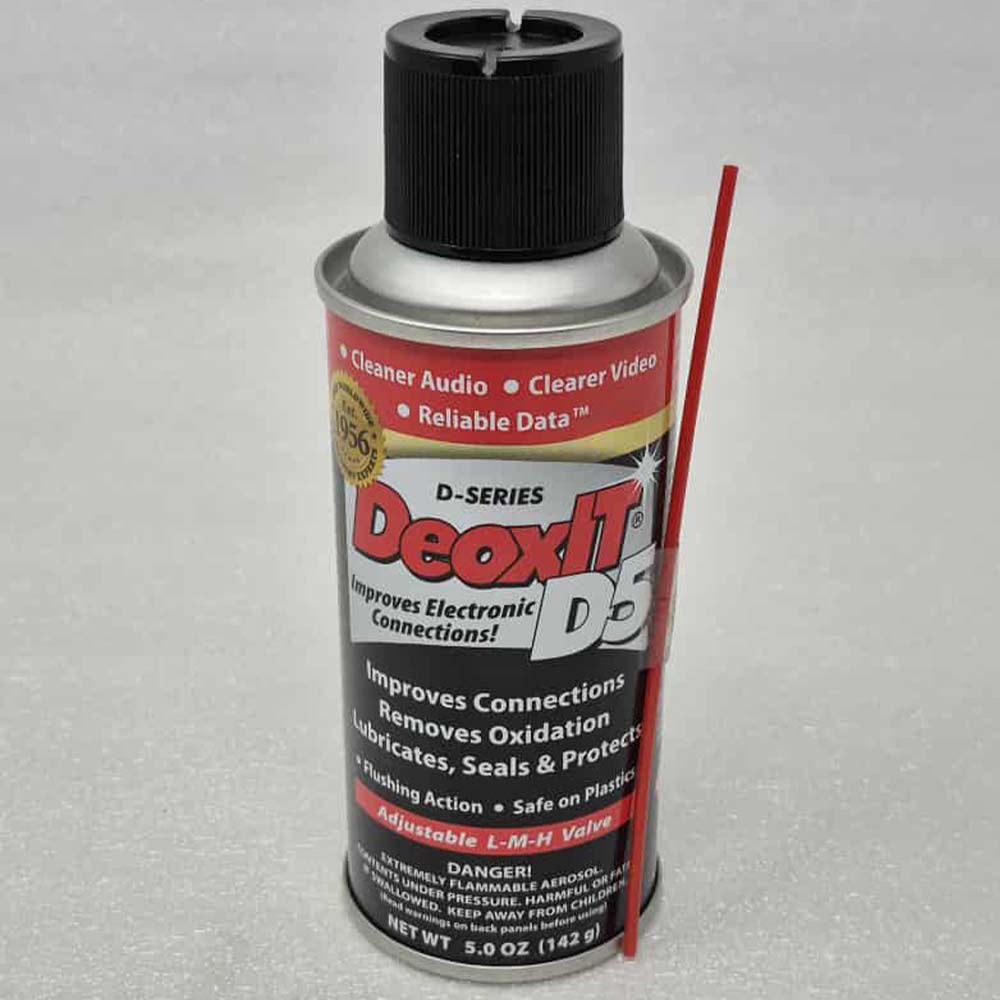
Cleaning the contacts; Victory Glass stocks two products to help clean your contacts. First is DeoxIT D5 spray. This will attack the corrosion and leave a little lubricant on the contacts. Perfect for make-brake switch contacts. We also partnered with DeoxIT to create a special formula wiper disc lubricant with DeoxIT in it. this is best used for higher friction contacts such as pulse generators. DeoxIT is a premium corrosion attack product that over time will creep under the corrosion. With the respect to its cost some people prefer to use a different automotive electronic cleaner on very dirty contacts, but always follow-up with DeoxIT for continued operation. DeOxit Spray Can D5, Deoxit Grease
Transmitter Products;
- Wireless Wallbox Transmitter 3 wire – Used for most wallboxes requiring 2-3 wires to hookup.
- Wireless Wallbox Transmitter 24 wire – Used for wallboxes requiring 12 or more wires. such as a butler box or a 2104 Frog Box.
- 24 Volt AC power supply Heavy Duty – Needed for most wallboxes, but kept optional as some wallboxes have a 110 to 24vac built in, and also you may already have a 24vac transformer or power supply you want to use. This is best for when you want to poer multiple wallboxes off one transformer.
- 24 Volt AC power supply Single Wallbox – Needed for most wallboxes, but kept optional as some wallboxes have a 110 to 24vac built in, and also you may already have a 24vac transformer or power supply you want to use.
- Optional Power Switch – Easy plug and play inline power switch for between the transformer and wallbox.
- 1820 bulbs – Needed if your wallbox is designed for a separate bulb power supply. Example, Dial-A-Tune “DC”, and Wurlitzer “Frog Box”.
Receiver Products;
- Wireless Jukebox Receiver – used for any supported jukebox we do not have a specific prewired kit for below.
- Seeburg A through Model 201 Receiver – Used for Seeburg jukeboxes with the 3 pin jones plug on the selection receiver. IF you already have a harness and don’t need the jones plug you can order the less expensive Seeburg receiver below. Same box same wiring.
- Seeburg 220 through LS2 – This covers most of these jukeboxes with standard steppers, some of the compact 100 select models did not come with a stepper and therefore would not be supported.
- Pinbank Receiver Module – A Low cost option to add to our version 2 solid state pinbanks, make sure you have the plug before ordering. If you are ordering a new pinbank they will all be version 2 and able to have this added.
- Wurlitzer 219E stepper – This already has the receiver built in, works for golden age Wurlitzers with electronic selection system.
- Golden age Sound Upgrade kit – The solid state amplifier and sound upgrade kit already has the 219 stepper and wireless system built into it.
How does all this numbering work; The different models and brands all had a different way to letter and number the records A or B side. Aaron does a fantastic job describing this in the video above. We assign a number to every selection starting with A selection is 1 through 200 for the last selection B. A side is ODD and B side is Even. By using the following charts you can see what your jukebox and wallbox number is to create title strips properly. These charts will not be provided in a printed form because they ill be too hard to read and reference. feel free to download copies as needed.
- Wireless Wallbox Chart – AMI
- Wireless Wallbox Chart – Rock-Ola
- Wireless Wallbox Chart – Seeburg
- Wireless Wallbox Chart – Wurlitzer
Supported Wallboxes;
Wallboxes Supported by the 3-4 Wire Transmitter include:
- AMI:
WM40
WL40
W40
W80
W120
WQ100
WQ120
WQ200
WRA
WRB
WRC - Capehart: All Non-Selective
- Holcomb & Hoke: All Non-Selective
- Mills: All Non-Selective
- Rock-Ola:
Dial-A-Tune (All Models)
Spectavox
1542 Through 1594
501 Through 507 - Seeburg:
All 20 Selection Models
3W1
3WA
3WU
3W160
3W100
SC-1
SC-2
SCH-1
SCH-2
SCH-3
SCH-4 - Wurlitzer:
All Non-Selective
111
115
120
123
125
320
330
331
332
430
3020
3025
3045
4820
4825
4851
5010
5131
5132
5200
5202
5204A (Not 5204)
5205
5207
5210
5220
5225
5250
5252
Satellite 2
Wallboxes Supported by the 24-Wire Transmitter include:
- AMI:
All 20 Select - Buckley:
Music Box - Keeney & Sons:
Wallbox - Packard:
Butler Box - Rock-Ola:
1530
1536
1538 - Wurlitzer:
100
310
2140 (Frog Box) We have a Frog Box kit available.
3031
Thanks for checking out the new wireless system. We will continue to add manuals and information here for this system to keep it a central repository reference point.